
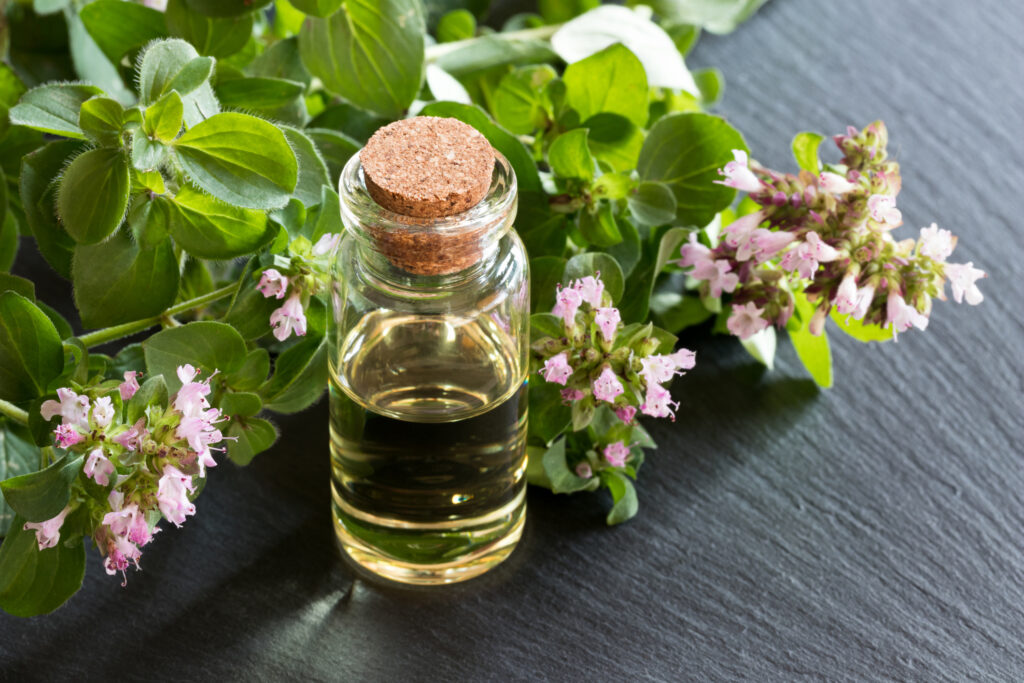
Quick Answer: What Is Oil of Oregano?
Oil of oregano is a concentrated herbal extract rich in carvacrol and thymol, compounds studied for fighting bacteria and fungi, supporting gut health, and improving skin. Because it is potent, practitioners advise short, targeted courses, ideally guided by a naturopathic doctor.
Oil of oregano has been a staple of Mediterranean folk medicine for centuries, and researchers are now starting to understand why. This concentrated herbal extract gets most of its power from two naturally occurring compounds, carvacrol and thymol, which give oregano its sharp, pungent smell and drive most of its therapeutic effects. Today, you can find it as a diluted essential oil, in softgel capsules, or as oral drops, and each form lends itself to different uses. Here’s what science says about three areas where it shows the most promise.
Infections: A Natural Antimicrobial with Real Research Behind It
Oil of oregano’s most well-documented benefit is its ability to fight a wide range of bacteria and fungi. Its active compounds work by disrupting the outer membranes of harmful microorganisms, essentially breaking down the barrier that keeps them alive. Research shows that carvacrol and thymol work better together than apart, with their combined effect accounting for most of oregano oil’s overall antimicrobial activity.
Studies have found compounds in oregano oil to be active against several clinically significant bacteria, including drug-resistant strains that no longer respond well to common antibiotics. A 2025 study in Frontiers in Pharmacology found that carvacrol showed strong synergistic effects when combined with multiple classes of antibiotics, meaning it helped those antibiotics work better when dosed together. This is a particularly active area of research as antibiotic resistance continues to grow.
Oregano oil has also shown antifungal activity against a broad range of pathogens, including the Candida species responsible for most yeast infections and oral thrush. It’s worth noting that most of this research has been conducted in lab settings rather than large human trials, so while the evidence is genuinely compelling, it doesn’t yet support using oregano oil as a standalone treatment for infections. If you are dealing with a suspected infection, a naturopathic doctor can help you determine whether and how oil of oregano fits into your care.
Digestion: Support for Gut Pathogens and More
This is where some of the most compelling human evidence exists. In one small clinical study published in Phytotherapy Research, 14 adults with confirmed intestinal parasites were given emulsified oregano oil daily for six weeks. By the end of the study, 13 out of 14 participants had cleared their parasites entirely, and most reported that digestive symptoms like bloating and cramping had improved as well.
Lab research adds important context. A study from the University of Illinois found that oregano oil and its active compounds significantly reduced the ability of an intestinal parasite to spread and replicate in cells. The oil didn’t prevent infection from starting, but it did reduce how severe the infection became. That’s a meaningful distinction.
One important consideration: because oregano oil is such a potent antimicrobial, it doesn’t distinguish between harmful organisms and the beneficial bacteria your gut needs to function well. This is why most practitioners recommend using it in short, targeted courses rather than as a long-term daily supplement, and why working with a naturopathic doctor to guide the process makes a real difference in outcomes.
Skin Health: Acne, Wound Healing, and Inflammation
The same antimicrobial and anti-inflammatory properties that make oregano oil effective against infections also make it a genuinely interesting option for skin health, though most of the research here is still in earlier stages.
Acne: Research from a 2023 review found that oregano is among the most effective natural options against the bacteria primarily responsible for breakouts. An animal model study found that an oregano oil formulation outperformed a standard antibiotic cream in reducing both bacterial load and inflammation. Human clinical trials on this specific use are still needed, but the early evidence is promising.
Wound Healing and Inflammation: Research using human skin cells found that oregano essential oil significantly reduced key inflammatory signals and affected genes involved in tissue repair. A separate study found that oregano oil reduced inflammation and helped speed up wound closure in the outer skin layer’s primary cells. A 2022 review also found that its antioxidant properties may help slow oxidative stress-related skin aging.
One rule that isn’t optional: pure oregano essential oil should never be applied directly to skin. It’s highly concentrated and can cause irritation or a rash. Always dilute it in a carrier oil like jojoba or coconut oil. About 3 drops per tablespoon of carrier oil is a commonly used ratio.
Frequently Asked Questions
Which form of oregano oil should I use?
It depends on what you’re addressing. Oral capsules or drops are typically used for gut-related concerns and immune support. Topical use (always diluted in a carrier oil) is better suited for skin applications. Some people use diluted drops under the tongue or in water for general antimicrobial support. A naturopathic doctor can help you match the form and dose to your specific goals.
Is oil of oregano safe to take every day?
Short-term use is generally well-tolerated, but long-term daily use is not recommended, particularly for gut health, where it can disrupt beneficial bacteria over time. It is also not recommended during pregnancy or breastfeeding, and it can interact with blood thinners, diuretics, and certain other medications. Starting with a lower dose and checking in with a practitioner is always the smarter approach.
How quickly does it work?
For acute situations like a stomach bug or early-stage infection, some people notice improvement within a few days. Skin results tend to take longer, and consistent use over several weeks is more typical for acne or wound healing applications. As with any botanical, results vary based on the individual and the condition being addressed.
The Bottom Line
Oil of oregano is one of the more well-researched botanicals in the natural medicine toolkit. Its antimicrobial, anti-inflammatory, and antioxidant properties are backed by a meaningful body of laboratory and clinical evidence, and its versatility across skin, gut, and immune health makes it genuinely useful. That said, it’s a potent herb that works best when used with intention, in the right form, at the right dose, for the right condition.
If you’re considering oil of oregano as part of your health routine, consulting with a licensed naturopathic physician trained at an AANMC-accredited institution is the best way to make sure you’re using it safely and effectively. They’ll help you understand whether it makes sense for your situation and how to integrate it with any other care you’re receiving. Please note that the information provided here is for educational purposes only and is not intended to substitute for professional medical advice, diagnosis, or treatment from a licensed healthcare provider.