In the quest for longevity, one of the most promising frontiers lies not in pharmaceutical laboratories, but in our own kitchens. Recent scientific research has identified powerful compounds called senolytics that can help our bodies clear out dysfunctional “zombie cells” that accumulate with age. The most potent of these cellular clean-up crews aren’t found in expensive supplements—they’re hiding in everyday foods like strawberries, onions, and capers.
Understanding Senescence and Natural Senolytic Principles
As we age, our cells can start to malfunction in subtle but significant ways. Some damaged cells that should naturally die and be cleared away instead enter a state called “zombie mode” or senescence —becoming what researchers term “zombie cells.” These “zombie cells” don’t function properly, yet they refuse to die. Instead, they linger in our tissues, secreting inflammatory chemicals (known as the SASP) that cause chronic, low-grade inflammation.
From a natural health perspective, longevity is achieved by supporting the body’s natural cellular renewal systems. This is where renewal boosters come in—compounds that selectively target these “zombie cells.” Natural treatments work through various mechanisms, including stopping the survival of these cells and protecting healthy tissue from stress.
Fisetin: The Cellular Clean-Up Crew (The Most Potent)
Among flavonoids tested for senolytic activity, fisetin demonstrated superior senolytic activity compared to other tested flavonoids including quercetin, luteolin, and curcumin, while significantly extending health and lifespan in research models
Fisetin works by targeting the survival pathways that keep senescent cells artificially alive. While healthy cells can resist Fisetin’s effects, zombie cells are particularly vulnerable to its action, allowing for selective elimination without harming functional tissue. The same study confirmed that Fisetin extends lifespan by reducing senescence markers and age-related pathology.
Fisetin’s Top Dietary Sources
The richest dietary sources of Fisetin include:
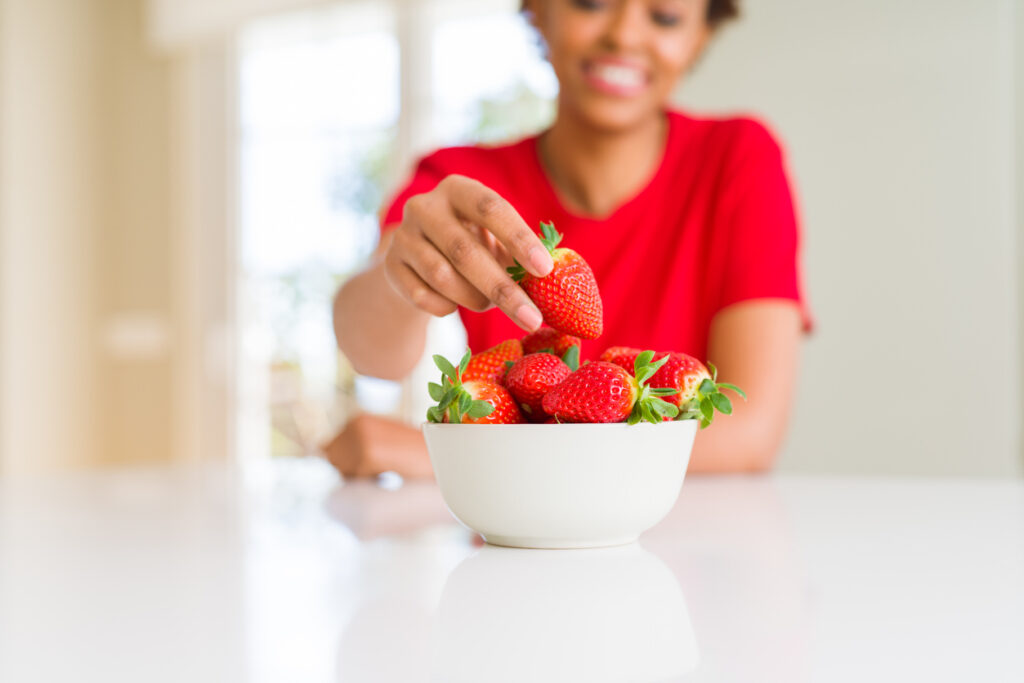
- Strawberries (by far the highest concentration)
- Apple peels (concentrate in the skin)
- Grapes (particularly darker varieties)
- Onions (yellow and red varieties)
Maximizing Fisetin Intake
To optimize Fisetin consumption, prioritize fresh or frozen strawberries over processed forms, as heat processing can degrade this delicate compound. When eating apples, always consume the peel—this is where Fisetin concentrates. Fisetin has also been shown to offer neuroprotective effects and combat oxidative stress.
Quercetin: The Metabolic Guardian
While Fisetin excels as a cellular clean-up agent, Quercetin serves as the metabolic guardian in our senolytic arsenal. This well-researched flavonoid is the most extensively studied natural senolytic in human clinical trials. Clinical studies have shown that quercetin reduces blood pressure in hypertensive patients, while human trials show quercetin decreases senescent cells in humans.
The first human senolytic trial provided preliminary evidence that quercetin combined with dasatinib could reduce senescent cells in individuals with diabetic kidney disease.
Quercetin’s Top Dietary Sources
The most concentrated sources of Quercetin include:
- Capers (highest concentration of any food)
- Onions (yellow and red varieties, particularly outer layers)
- Turmeric (fresh or dried)
- Asparagus (tips contain highest concentration)
The Critical Absorption Hack
Quercetin and other polyphenols have notoriously low bioavailability when consumed alone. To unlock their full potential, you must pair Quercetin-rich foods with healthy fats and piperine (black pepper). Healthy fats help dissolve polyphenols while piperine inhibits liver enzymes, allowing more Quercetin to reach your bloodstream.
Naturopathic Kitchen: Recipes for Renewal
Senolytic Starter: Capers and Onions
Sauté thinly sliced red onions in olive oil until caramelized, then stir in 2 tablespoons capers and freshly ground black pepper. This concentrates Quercetin while providing absorption-enhancing fats and piperine.
The Synergy Meal: Turmeric-Strawberry Power Bowl
Combine high-Fisetin and high-Quercetin foods with absorption enhancers: quinoa base with fresh strawberries, sautéed asparagus tips, and caramelized onions. Drizzle with olive oil, fresh turmeric, black pepper, and lemon juice dressing. This combination delivers both Fisetin and Quercetin with healthy fats and piperine for optimal absorption.
Safety Considerations
While natural senolytic foods are part of a generally healthy diet, dietary supplementation with high doses of compounds like Fisetin or Quercetin should be discussed with a healthcare professional, especially if you have underlying medical conditions or are taking prescription medications.
- Interactions: High-dose Quercetin may interact with certain medications, including blood pressure medications and blood thinners.
- Kidney/Gallbladder: Individuals with pre-existing kidney conditions or gallbladder issues should be cautious with high-dose flavonoid supplementation.
- Pregnancy/Breastfeeding: Always consult a healthcare provider regarding supplement use during pregnancy or breastfeeding.
Focusing on incorporating these compounds through whole foods is the safest and most recommended approach for longevity support.
Frequently Asked Questions (FAQ)
What are “zombie cells” and why do they harm the body?
“Zombie cells” are senescent cells that have stopped dividing but refuse to die. They harm the body by lingering in tissues and releasing a potent mix of inflammatory chemicals (SASP) that cause chronic inflammation, driving age-related diseases. Senolytics help selectively clear these cells.
How quickly do senolytic foods work?
Unlike pharmaceutical senolytics, which are often studied in pulsed doses, dietary senolytics like Fisetin and Quercetin are meant to be consumed regularly for long-term support. Their benefit comes from consistent, lifelong intake as part of a rich diet to maintain cellular health and dampen chronic inflammation over time.
Is it better to eat senolytic foods or take supplements?
The safest and most bioavailable way to consume senolytics is often through whole foods. Foods provide a complex matrix of co-factors and nutrients (like fiber and healthy fats) that aid absorption. While supplements offer higher doses, always prioritize dietary sources first, and consult a professional before starting high-dose supplementation.
Which is the stronger natural senolytic: Fisetin or Quercetin?
According to the foundational research by Yousefzadeh et al. (2018), Fisetin demonstrated superior senolytic activity in laboratory models compared to Quercetin and other flavonoids tested. However, both compounds are valuable and work synergistically, which is why combining them (e.g., strawberries and onions) is a highly effective strategy.
For personal nutrition advice, schedule an appointment with a naturopathic doctor.