
Quick Answer: What Is Lion’s Mane?
Lion’s Mane (Hericium erinaceus) is an edible mushroom studied for supporting memory, focus, gut health, and immunity. Its hericenones and erinacines may stimulate nerve growth factor. It can be eaten as food or taken as a supplement, ideally with guidance from a naturopathic doctor.
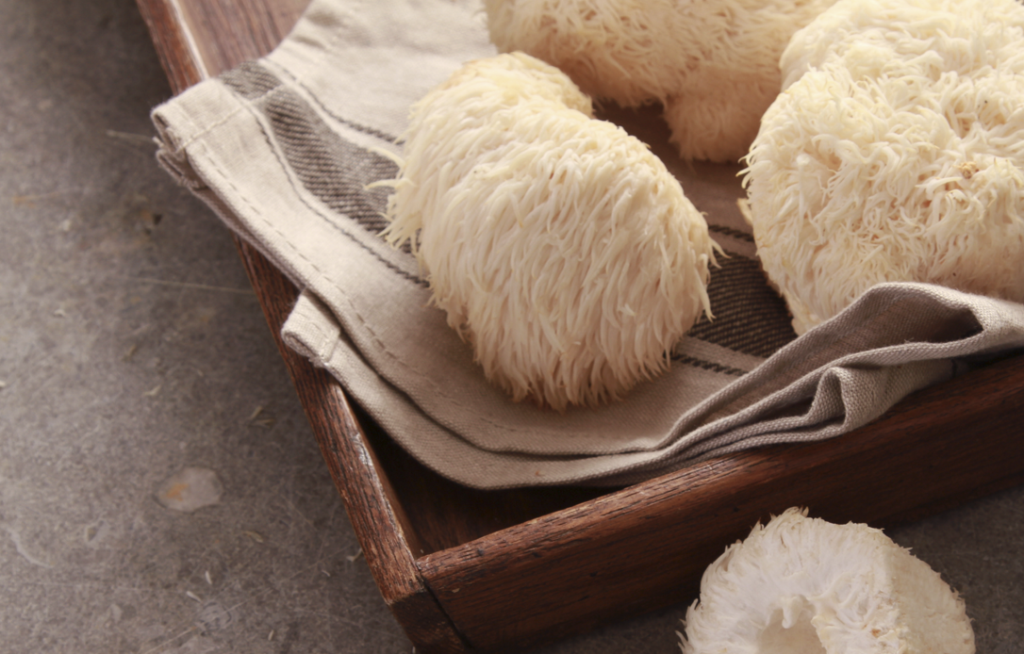
If you’ve seen those white, shaggy mushrooms that look like they belong on a lion, you’ve encountered one of nature’s most fascinating foods. Lion’s Mane (Hericium erinaceus) has been prized in Asian cooking and traditional medicine for centuries, and now modern science is catching up to explain why.
The best part? Unlike most supplements, Lion’s Mane is genuinely delicious. It tastes like crab or lobster, making it a favorite for plant-based eaters. But beyond its culinary appeal, this mushroom has some seriously impressive health benefits backed by real research.
Brain Health: More Than Just a Claim
Here’s where Lion’s Mane really shines. This mushroom contains compounds that can actually cross into your brain and help your nerve cells grow and stay healthy. Think of it like fertilizer for your brain cells.
But does it actually work in real people? Several studies say yes:
- Older adults with mild memory problems who took Lion’s Mane daily showed improved cognitive function after just 8 weeks, with improvements continuing through 16 weeks
- A 12-week study found that Lion’s Mane significantly improved memory and mental function in people over 50
- Even healthy young adults performed better on mental tasks after taking Lion’s Mane, with less stress after a month of use
Your Gut and Brain Are Connected—Lion’s Mane Helps Both
You’ve probably heard that gut health affects your brain. Lion’s Mane is one of the few things that genuinely supports both your digestive system and mental clarity at the same time.
In traditional Chinese medicine, healers used Lion’s Mane for stomach problems and digestive complaints. Modern research shows they were onto something. Lion’s Mane promotes the growth of beneficial gut bacteria while keeping harmful bacteria in check.
In one study, just a week of taking Lion’s Mane increased healthy gut bacteria that produce important compounds for digestive health. Even better? People in the study also saw improvements in cholesterol and other blood markers.
Immune System Support
Your immune system is constantly working to keep you healthy, and Lion’s Mane helps it function more effectively. The mushroom contains natural compounds that help balance your immune response—calming it down when it’s overactive (like with inflammation) while keeping it strong when you need it.
Research shows that Lion’s Mane supports immune function by improving the health of immune organs and helping your gut bacteria work in harmony with your immune system.
Fighting Inflammation and Oxidative Stress
Inflammation and oxidative stress are buzzwords you hear everywhere, but they’re real problems that contribute to aging and disease. Lion’s Mane contains powerful antioxidants that help protect your cells from damage.
For people dealing with digestive inflammation, studies found that Lion’s Mane reduces inflammatory markers and oxidative stress while supporting the gut’s natural healing process.
The compounds in Lion’s Mane also activate your body’s own antioxidant defenses, essentially teaching your cells to better protect themselves.
Stress and Mood
While more research is needed, early studies suggest Lion’s Mane might help with stress and mood. One study found that people taking Lion’s Mane for a month experienced less stress in their daily lives.
This makes sense when you consider that Lion’s Mane affects both your brain chemistry and your gut bacteria—and gut health is closely linked to mood.
How to Use Lion’s Mane
As Food: Fresh Lion’s Mane is a culinary treat. Slice it thick, sauté it in butter or oil until golden brown, and season with salt and pepper. The texture is meaty, and the flavor is delicate and slightly sweet—seriously, it tastes like seafood.
You can:
- Make “crab” cakes with shredded Lion’s Mane
- Add it to soups and stir-fries
- Use it as a meat substitute in pasta dishes
- Roast it whole as a side dish
As a Supplement: If you can’t find fresh Lion’s Mane (or prefer the convenience), it’s available as:
- Powder you can add to smoothies or coffee
- Capsules or tablets
- Tinctures
- Tea
How Much to Take: Most studies used 1.8 to 3 grams daily. Start with the lower end and see how you feel.
Is It Safe?
Lion’s Mane has an excellent safety profile with minimal side effects. Some people report mild digestive upset or skin reactions, but these are rare.
Important notes:
- If you’re pregnant or breastfeeding, talk to your doctor first
- If you have mushroom allergies, obviously skip this one
- Look for quality supplements that specify what part of the mushroom is used and have third-party testing
The Bottom Line
Lion’s Mane is one of those rare supplements that’s both genuinely delicious as food and backed by solid science as medicine. Whether you’re looking to support your memory, improve your digestion, or just try something new in the kitchen, Lion’s Mane is worth exploring.
The research shows real benefits for brain health, gut health, and immune function—and unlike many trendy supplements, this one has centuries of traditional use backing up the modern science.
For more information on reducing inflammation and improving brain health, contact a Naturopathic Doctor for personalised whole health medical advice.