
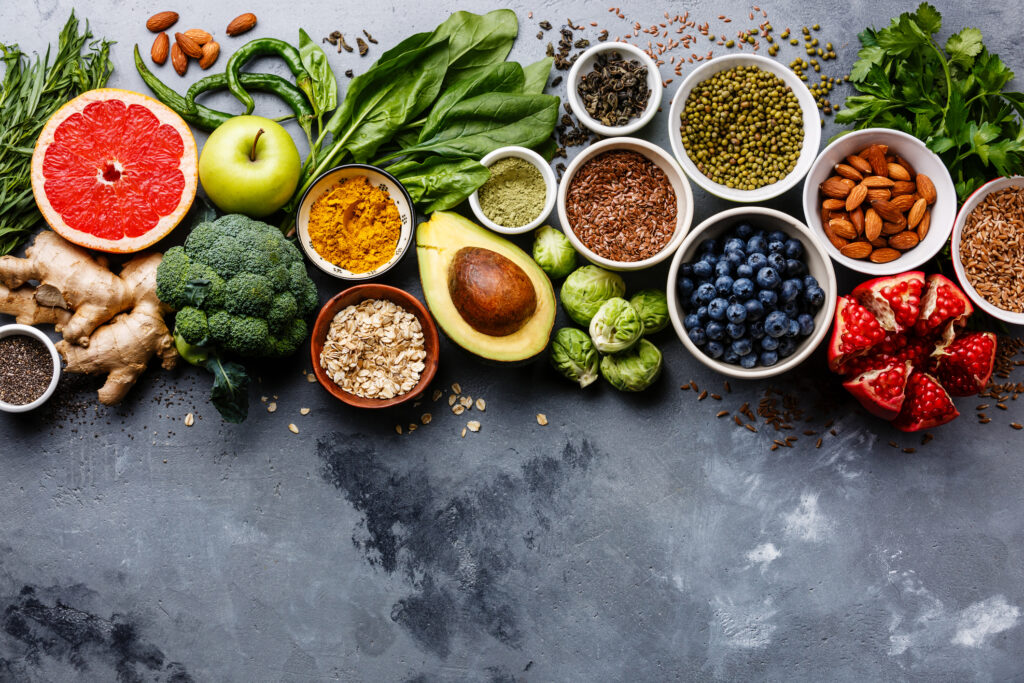
In the age of technology and constant information streaming through our devices at all times, maintaining focus on what matters most to you can feel more difficult than ever before. Focus and mental clarity can be influenced by many factors including, exercise, stress management, sleep, and nutrition, which is an often overlooked factor. Research into superfoods has found that they can play a significant role in supporting long-term cognitive health, mental performance, and focus. In this article, we will go over 7 scientifically supported superfoods for mental clarity and focus, as well as how they work for these purposes. Utilizing food as medicine is an easy and simple way to start your healing journey today. More tips for helping with focus and mental clarity specifically can be found here.
How Superfoods Work For Brain Health
There are a variety of ways that superfoods work directly and indirectly to support the brain and cognition, but the main mechanisms are as follows:
- Antioxidant & Anti-inflammatory Effects: Protects brain cells from oxidative damage and reduces neuroinflammation; both of these factors are major contributors to cognitive decline and brain fog.
- Neurotransmitter & Synaptic Support: Nutrients like B vitamins, omega-3s, and polyphenols support signalling between neurons in the brain, neuroplasticity (the brain’s ability to learn and change), and memory function.
- Gut-Brain Axis Modulation: Fiber-rich greens and omega-3s support gut health. Because of the connection between the gut and the brain, supporting gut health plays a direct role in mental health, mood, and cognition.
1. Berries
Key nutrients: Flavonoids, polyphenols, antioxidants
Berries are packed with cognition-supporting compounds that offer powerful antioxidant and anti-inflammatory effects. Anthocyanins, which are the plant pigments responsible for red, purple, and blue colours of fruits and berries, help reduce oxidative stress and inflammation through blocking pathways like COX-2 and NF-κB, which are a part of the processes of cognitive decline and neuroinflammation. Quercetin (a phenolic compound) can cross the blood-brain barrier and help protect and support regions of the brain involved in cognition, like the cortex and the hippocampus. Berries have strong neuroprotective and anti-inflammatory properties that can aid in the processes of learning and memory, as well as cognitive performance. Extracts from blackberries and mulberries have been shown in research to enhance the brain’s ability to cope with stress, antioxidant activity, and slow the speed of neurodegeneration.
Best way to enjoy: incorporate into smoothies, on top of oatmeal, or alone as a snack.
2. Fish
Key nutrients: Omega-3 fatty acids (EPA and DHA)
Fatty fish such as salmon, sardines, and mackerel are rich in omega-3 polyunsaturated fatty acids. Healthy fats like these support the cell membranes within the brain, help with glucose metabolism, regulate immune function, and modulate the function of microglial cells. Research also suggests that omega-3s help boost brain-derived neurotrophic factor (BDNF), a key protein for learning and memory, while reducing amyloid-β (Aβ) accumulation, a hallmark of cognitive decline. Omega-3 fatty acids can also influence the immune system and levels of inflammation in the body through the effects on the gut microbiota.
Best way to enjoy: Baked or barbecued salmon, sardines on crackers, or a high-quality fish oil supplement if needed.
3. Nuts
Key nutrients: Alpha-lipoic acid (ALA), vitamin E, antioxidants
Nuts are rich in brain-boosting nutrients like omega-3s, polyphenols, and vitamin E, which support memory and cognitive function. A clinical trial in older adults found that daily mixed nut consumption increased blood flow to key brain areas (like the prefrontal and parietal lobes) and improved verbal and visuospatial memory. The benefits observed in this study can be explained by the improvement in vascular function due to reduced stiffness of the arteries, improved endothelial health, and increased nitric oxide (NO) availability, which all support optimal perfusion in the brain.
Best way to enjoy: Sprinkled onto salads, grain bowls, or oatmeal, raw nuts as a snack on the go.
4. Pomegranates
Key nutrients: Polyphenols, antioxidants
Pomegranate (Punica granatum) contains neuroprotective polyphenols like ellagic acid (EA), punicalagin (PUN), and urolithin A (UA), which aid in blood-brain barrier function and mitochondrial support through modulating inflammation and oxidative stress. These compounds cross the blood brain barrier and enhance antioxidant defenses while suppressing pro-inflammatory cytokines and promoting autophagy. Preclinical studies show benefits for anxiety, depression, memory, and neurodegenerative diseases like Alzheimer’s and Parkinson’s. Overall, pomegranate supports brain health, particularly under conditions of stress, aging, or disease.
Best way to enjoy: Sprinkle over salads, yogurt bowls, as juice or alone.
5. Turmeric
Key nutrients: Curcumin
Turmeric, is a traditional South Asian spice, which is rich in curcumin. Curcumin is well-known for its potent anti-inflammatory, antioxidant, and neuroprotective properties. Curcumin enhances brain health by boosting brain-derived neurotrophic factor (BDNF), decreasing neuroinflammation, and protecting against cognitive decline in conditions such as Alzheimer’s disease and depression.
Best way to enjoy: Golden milk, turmeric lattes, or in curries and sauces.
6. Dark Leafy Greens
Key nutrients: Folate, B6, lutein, vitamin K, β-carotene
Dark leafy greens like spinach, kale, and collards are rich in brain-supportive nutrients such as β-carotene, lutein, folate, and phylloquinone, which may help slow age-related cognitive decline. These nutrients appear to be able to support mitochondrial health and DNA methylation to reduce white matter damage, oxidative stress, and inflammation in the brain to enhance its functionality.
Adding a serving of leafy greens each day is a simple, effective way to support long-term cognitive health and promote mental clarity.
Best way to enjoy: Blended in smoothies, sautéed, or tossed into grain bowls.
7. Green Tea
Key nutrients: L-theanine, caffeine, antioxidants
Green tea enhances focus and memory with a unique balance of caffeine and L-theanine. This combination together promotes calm attention and reduces mental fatigue. Antioxidants (mainly EGCG) in green tea also protect neurons from damage and support long-term brain function.
Best way to enjoy: Matcha lattes in the morning or early afternoon, hot green tea
Food has always been a potent medicine when used intentionally to support well-being and fight disease. By integrating a variety of these superfoods into your diet, you can protect your cognitive health, increase your mental clarity, and even support emotional balance. Whether you’re supporting long-term brain wellness or just optimizing your general health, these natural foods are a great accessible, and evidence-backed place to start.
Interested in more ways you can support your cognition and brain health? Check out our webinar on naturopathic approaches to cognitive health.
Looking for expert guidance to help you on your health journey?