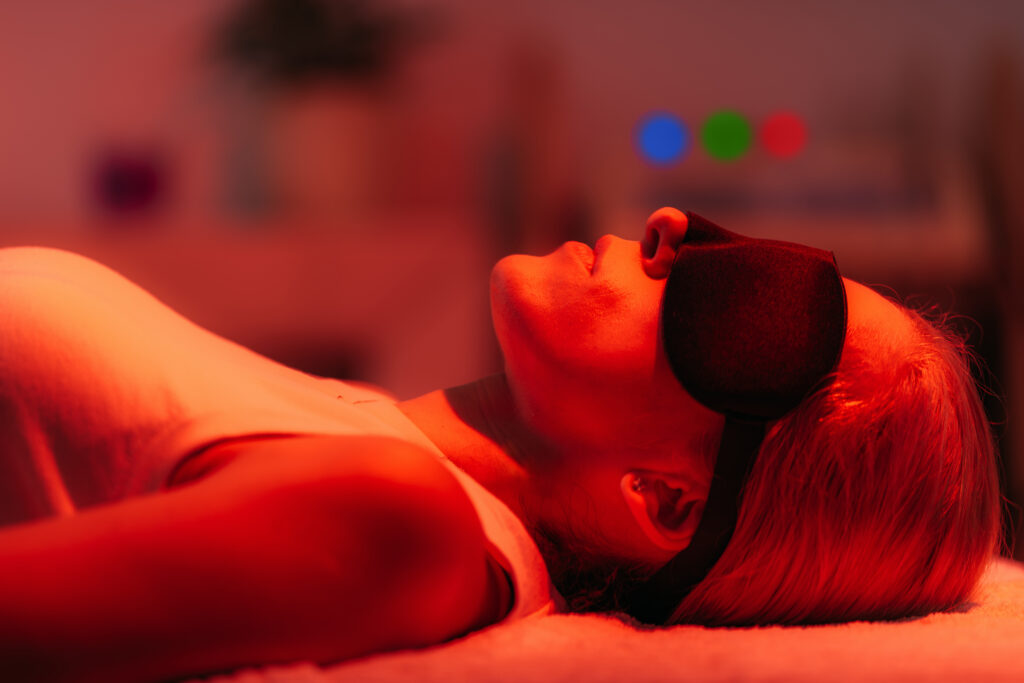
Red light therapy has moved from clinical settings into spas, gyms, and living rooms at a remarkable pace. Devices range from handheld wands to full-body panels, and the claims attached to them range from skin rejuvenation to pain relief and cellular anti-aging. With so much marketing noise surrounding red light therapy, it is reasonable to ask whether the science holds up. The answer, according to a growing body of peer-reviewed research, is that it largely does — for specific applications, under the right conditions.
What Is Red Light Therapy?
Red light therapy, also called photobiomodulation or low-level laser therapy (LLLT), uses specific wavelengths of red and near-infrared light to penetrate the skin and interact with cells beneath the surface. It is a non-thermal treatment, meaning it does not generate heat the way that infrared saunas or other warmth-based therapies do. The wavelengths used typically fall in the 600 to 850 nanometer range, which is the spectrum where the most meaningful cellular interactions have been documented.
How Does It Work?
The mechanism centers on the mitochondria. Red and near-infrared light is absorbed by cytochrome c oxidase, a key enzyme in the mitochondrial electron transport chain, triggering a cascade that increases ATP production, reduces nitric oxide inhibition of cellular function, and promotes downstream anti-inflammatory signaling. ATP is the primary energy currency of the cell, and when its production is enhanced, cells are better equipped to repair, regenerate, and function optimally. This mechanism was the focus of a 2023 workshop convened by the National Institute on Aging, where researchers agreed photobiomodulation holds significant therapeutic potential across multiple conditions.
Red Light Therapy and Skin
Skin rejuvenation is one of the most well-studied applications. A prospective randomized controlled trial found that participants treated with red and near-infrared light twice weekly over 30 sessions experienced significant improvements in skin complexion, skin texture, and ultrasonographically measured intradermal collagen density compared to untreated controls. The results align with what we know about the mitochondrial mechanism: when fibroblasts, the cells responsible for collagen synthesis, receive red light stimulation, their energy production increases and their capacity for tissue repair improves.
Results vary by device, wavelength, and treatment duration, and multiple sessions are required before visible changes appear. This is an important distinction when evaluating consumer home devices against clinical-grade equipment.
Red Light Therapy and Pain
Pain relief is arguably the area with the deepest clinical evidence. A systematic review and meta-analysis published in The Lancet analyzed 16 randomized controlled trials on low-level laser therapy for neck pain and found that LLLT significantly reduced pain both immediately after treatment and for up to 22 weeks following completion of a treatment course in patients with chronic neck pain. The researchers concluded it should be considered a viable short-term treatment for chronic joint disorders.
The anti-inflammatory mechanism is consistent with the mitochondrial pathway: red light modulates the cellular stress response, reducing pro-inflammatory signaling while supporting tissue recovery. This aligns well with naturopathic medicine’s emphasis on addressing underlying causes of pain rather than suppressing symptoms.
Red Light Therapy and Muscle Recovery
Athletes and active individuals represent another population with meaningful data behind them. A 2022 meta-analysis of 24 randomized controlled trials found that low-level laser therapy improved muscular performance and accelerated soreness recovery in athletes, with the strongest results seen when treatment was applied before or after competition. Again, this is consistent with the ATP-production mechanism: better-fueled cells recover from physical stress more efficiently.
Where the Evidence Is Still Developing
The clinical picture is not without limits. Consumer home devices vary considerably in output and wavelength precision, and the assumption that a home panel will replicate clinical trial results is not always warranted. Research on red light therapy for broader claims, including weight loss, hormonal regulation, and cognitive enhancement, remains early-stage and should be interpreted with appropriate caution. Naturopathic doctors apply the same scrutiny to emerging therapies as to established ones, which means separating what is well-evidenced from what is plausible but not yet proven.
The Bottom Line
The science behind red light therapy is real, and it is more robust than most wellness trends can claim. The mitochondrial mechanism is well-documented, and peer-reviewed evidence supports its use for skin rejuvenation, pain and inflammation management, and muscle recovery. Where the evidence remains thin, such as for systemic or hormonal effects, the standard of evidence should not be lowered simply because the therapy is popular. If you are curious about whether red light therapy is appropriate for your health goals, a naturopathic doctor can help you evaluate it within the context of a comprehensive, individualized care plan.
FAQ
How does red light therapy work at the cellular level? Red and near-infrared light is absorbed by cytochrome c oxidase, an enzyme in the mitochondria. This triggers increased ATP production, reduced inhibition of cellular function by nitric oxide, and downstream anti-inflammatory effects. The result is improved cellular energy and a greater capacity for repair and regeneration.
Is red light therapy effective for skin? Clinical research supports its use for skin rejuvenation. Randomized controlled trials have found significant improvements in collagen density, skin texture, and overall complexion following consistent treatment. Results require multiple sessions and depend on device quality and wavelength accuracy.
Can red light therapy reduce pain? Yes, within specific contexts. A Lancet meta-analysis of 16 randomized controlled trials found it significantly reduced chronic neck pain both immediately after treatment and for up to 22 weeks following a completed course. Evidence for other pain types is growing, though depth of evidence varies by condition.
Is red light therapy safe? It is generally considered safe when used correctly, particularly with clinical-grade devices. Home devices vary considerably in output and may not replicate clinical results. Anyone with photosensitive conditions or who takes photosensitizing medications should consult a healthcare provider before starting treatment.
Interested in how naturopathic doctors integrate evidence-based therapies into individualized care plans? Explore AANMC’s accredited naturopathic medical schools to find the program that fits your path.
Or, use these quick links to find a naturopathic physician near you: